Higashiyama Area
There are two main popular tourist spots in the Higashiyama area !
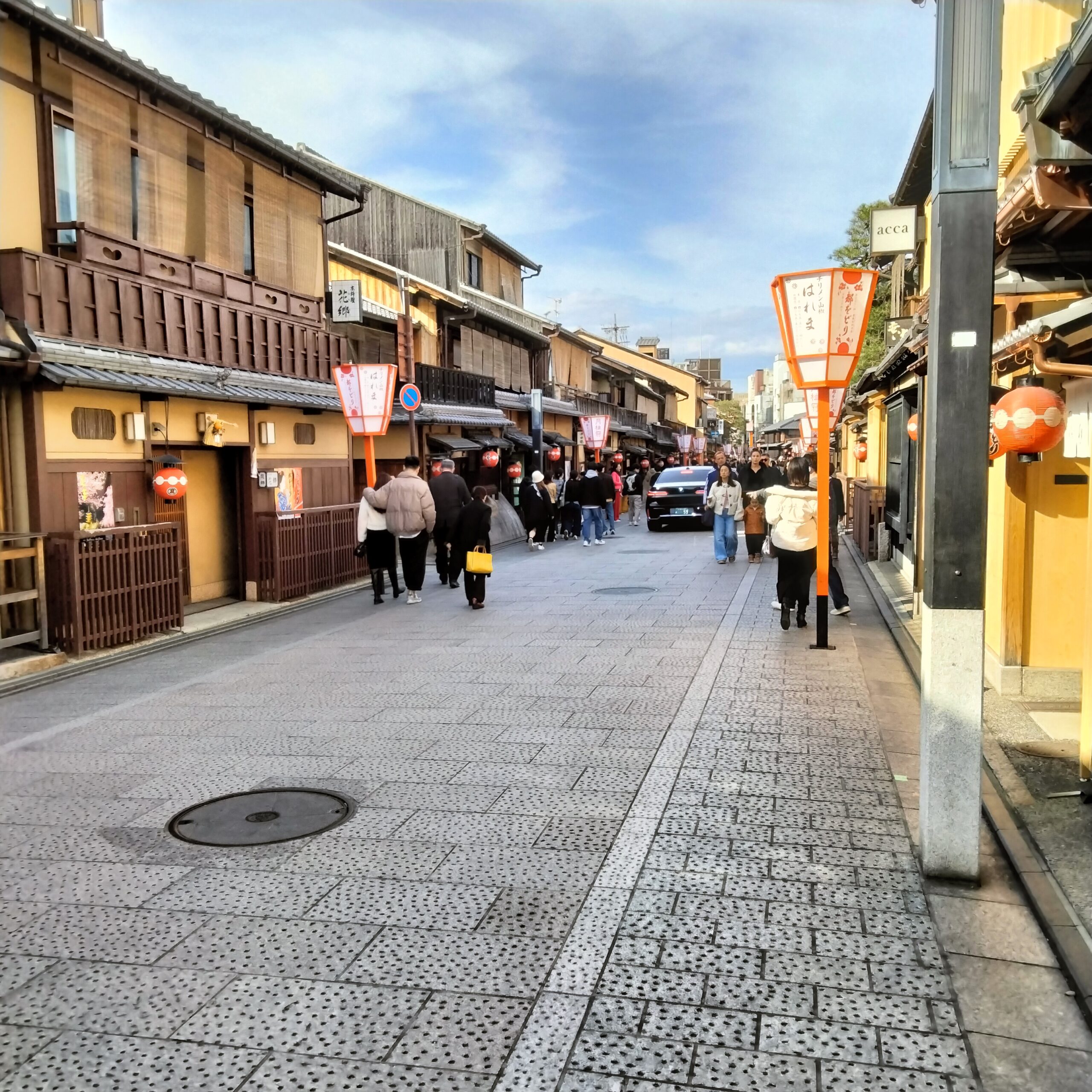
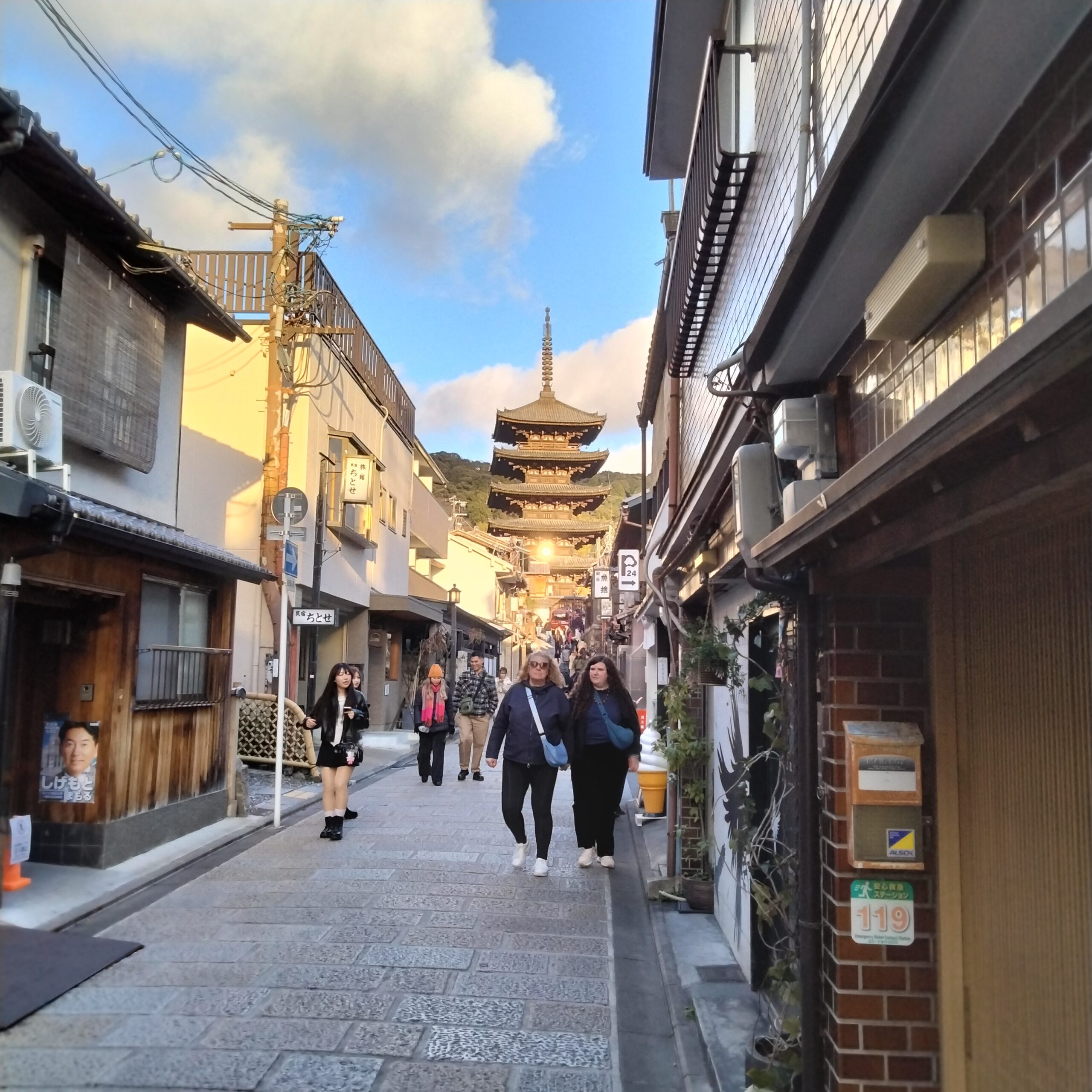
One is the Gion district, where you can see maiko geiko.
oplus_32
Gion is a district extending outside the main gate of Yasaka Shrine that developed during the Edo period in the early 17th century.
It is said to have begun as one of the few stores serving tea to shrine visitors.
Gradually, the number of young women practicing the refined arts of dance and music began to increase in the stores serving food and sake.

oplus_0
They became today’s maiko and geiko.
Gion is recognized as Kyoto’s downtown area and amusement center.
It was developed as a territory of Yasaka Shrine or as a sphere of influence along Shijo Street between the Kamo River and Yasaka Shrine.
The two areas on either side of Shijo Street are known as Gion.
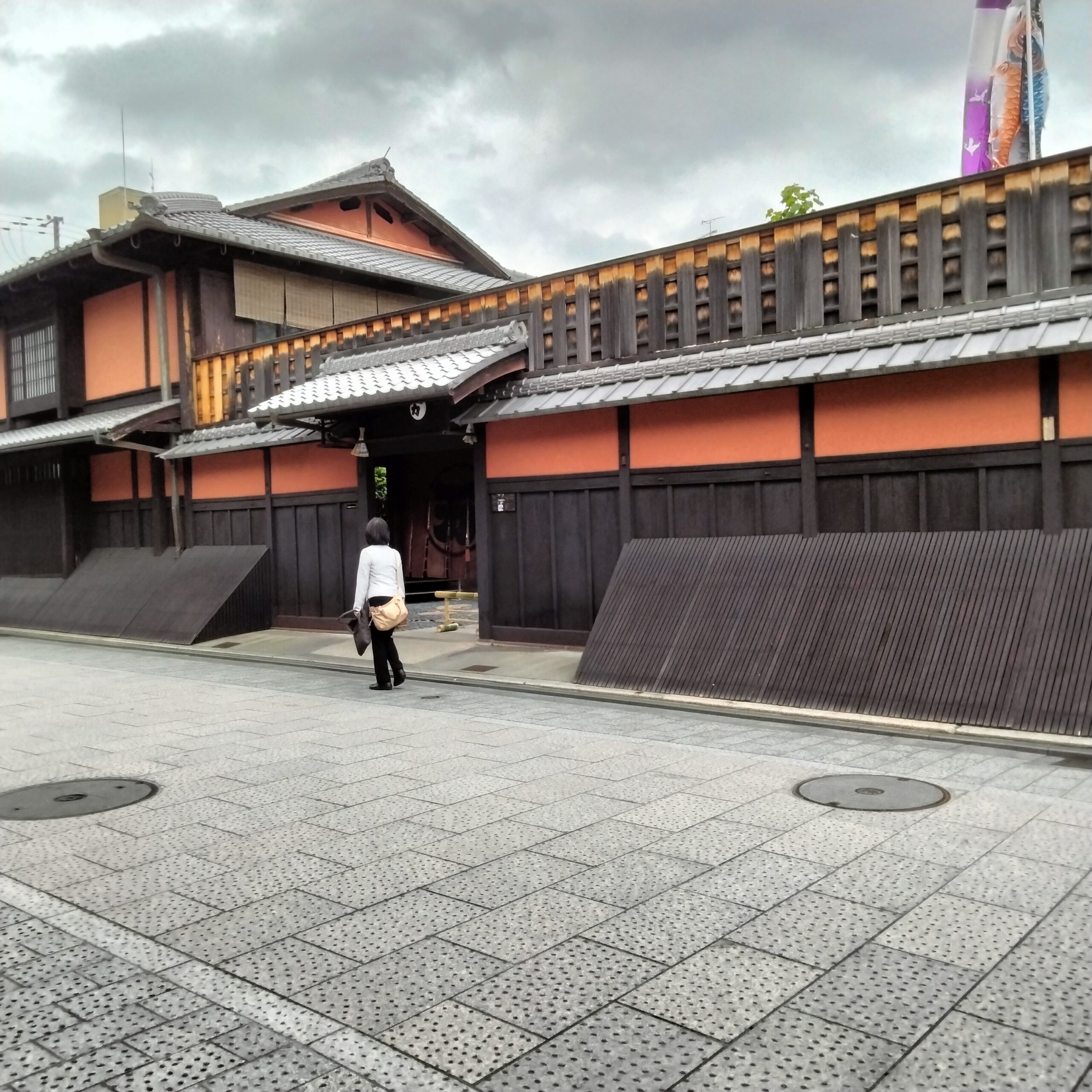
This picture’s house is Ichiriki-tei.
Its a Very famous and historic, 300 years old, Ochaya, teahouse,with the highest social status in Gion.
It is considered an exclusive and high-end establishment, keeping the policy
“Ichigen-san Okotowari ” in Japanese ; no first time costomers accepted.
That means no admittance to Ochaya without an introduction from an esttablished customers.
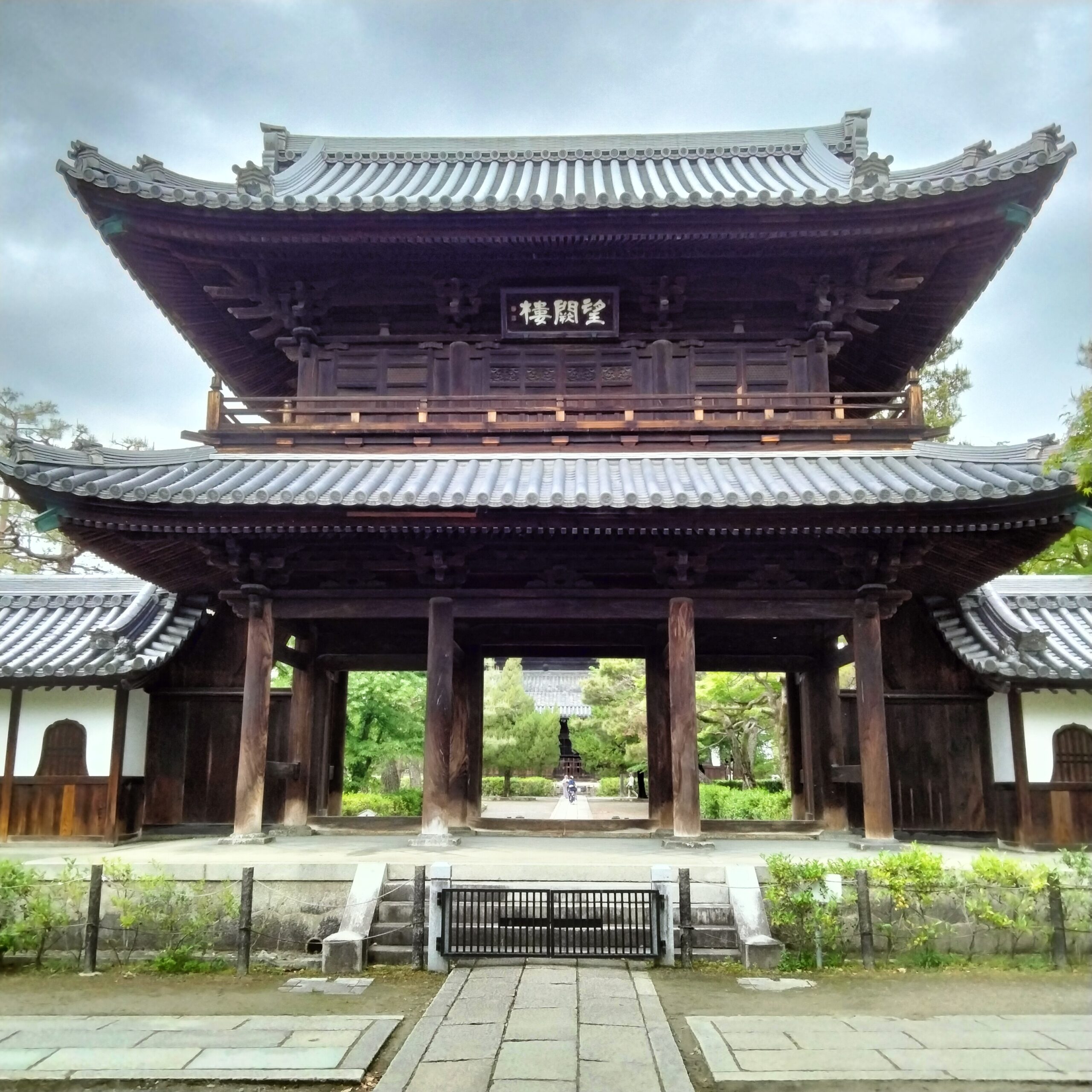
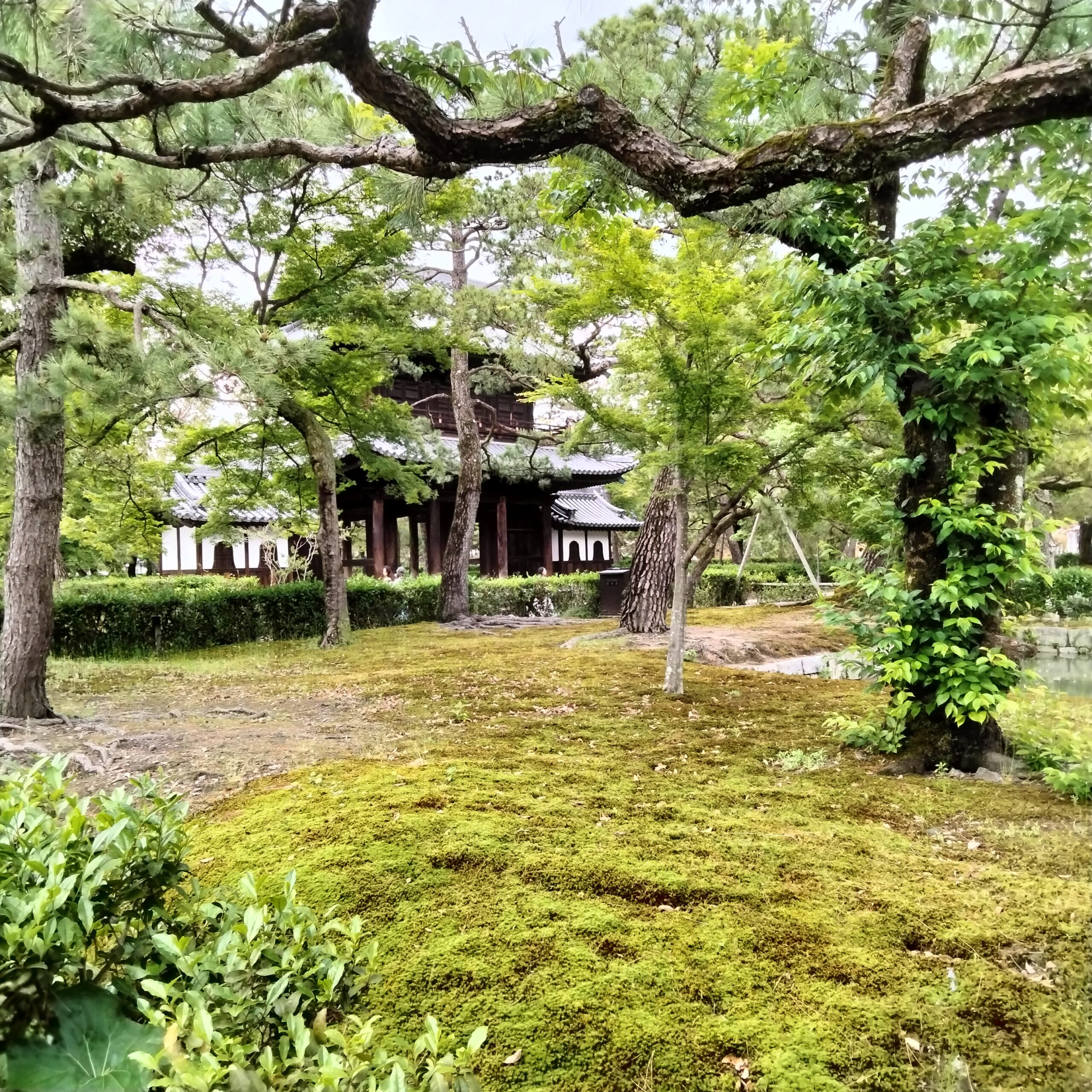
Now Kennin-ji
oplus_32
Kennin-ji founded by Eisai, the founder of Rinzai Zen Buddist school in Japan,
was the first Zen temple in Kyoto. the founding was in 1202.
Initially, Kennin-ji adoped the practices of three different Buddhism sects, Tendai, Shingon, and Zen. Tendai, and Shingon sects are esoteric Buddhism prevailed earlier than Zen in Japan. but in 1265, the temple focused on Zen practice.
oplus_32
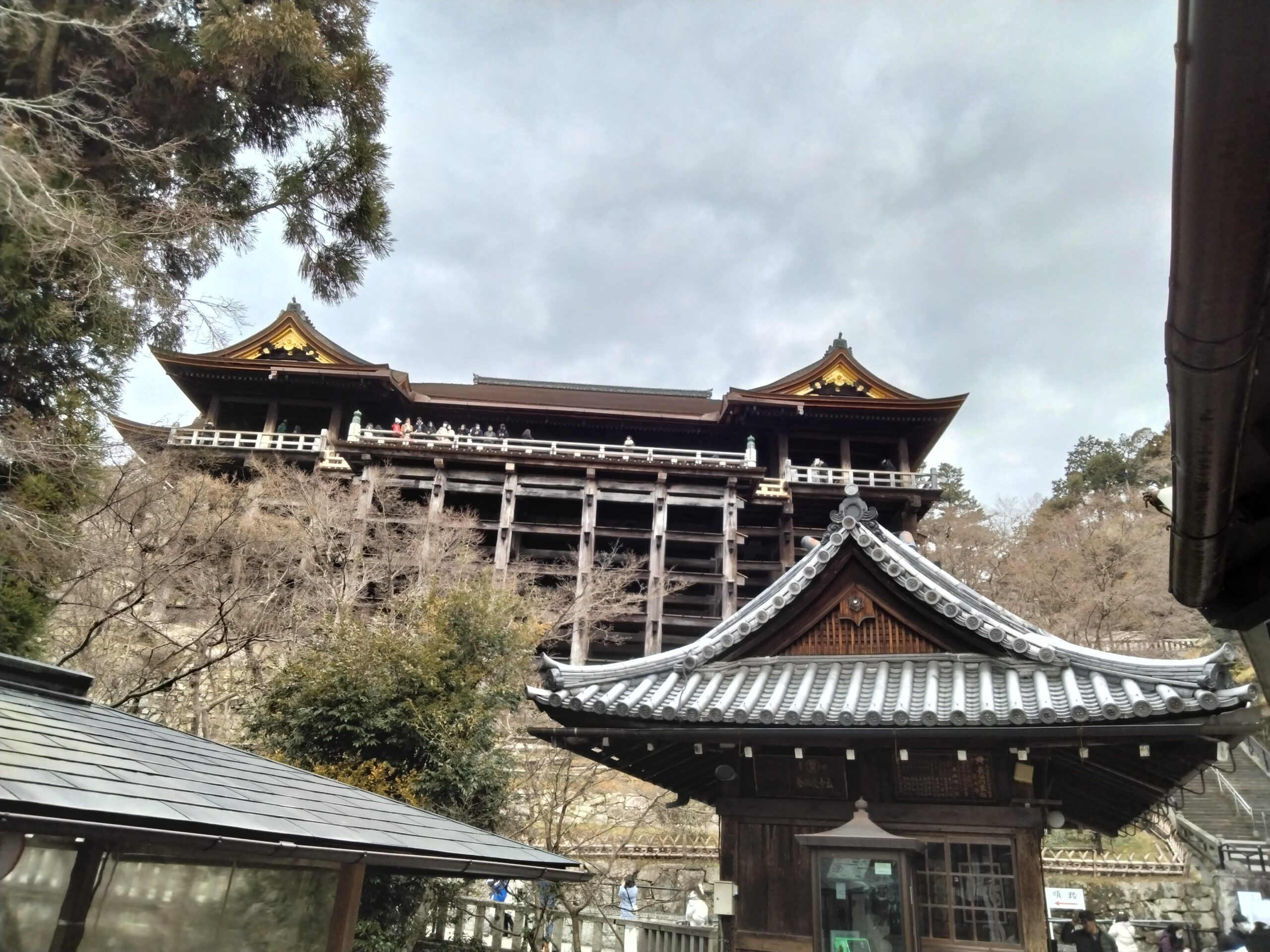
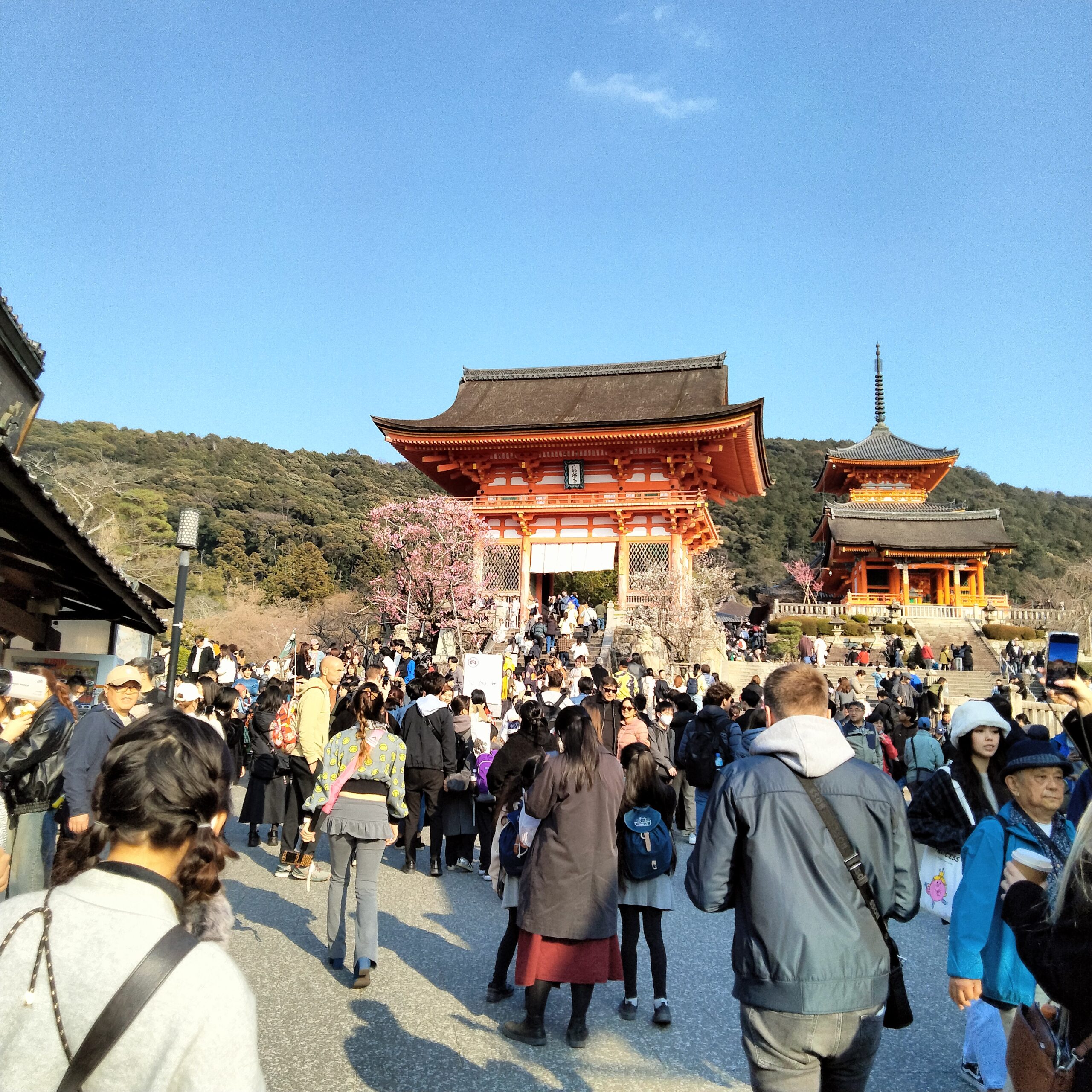
The other spot is Kiyomizu Temple that is so big , attractive, and fantasic.
oplus_34
In778、instructed by a dream,Saint Entin left his own temple in Yamato (Nara) and set out for the foot of Mt Higashiyama. There ,at Otawa Waterfall, he met a hermit called Gyoei who instructed him to carve a statue of the Kannon Bodhisattva from a sacred log. When the statue was completed, it was instailed in a hut at the top of the waterfall. this would be the beginning of the Kiyomizu temple.
A few years later、a military commamder Sakanoue Tamuramaro was hunting deer in the forests surrounding Otowa mountain, believing a deer could help his sick pregnant wife. and he came across a hut and encountered the Saint , And Acknowledging the Saint’s teaching, he accepted Saint’s offer to pray for the good hellth of his wife.
And when her condition improved. the couple were so grateful to the Saint that they devoted themselves to Budhism.
oplus_32
In 798,the Sakanoue Tamuramaro and his wife offered their residence as a temple to house the holy statue. When the capital was relocated to Heiankyo (kyoto) , the temple served as Emperor Kammu’s delicated place of worship, and in 810 the emperor recognized the temple as the nation’s religious protectorate.
Main Hall
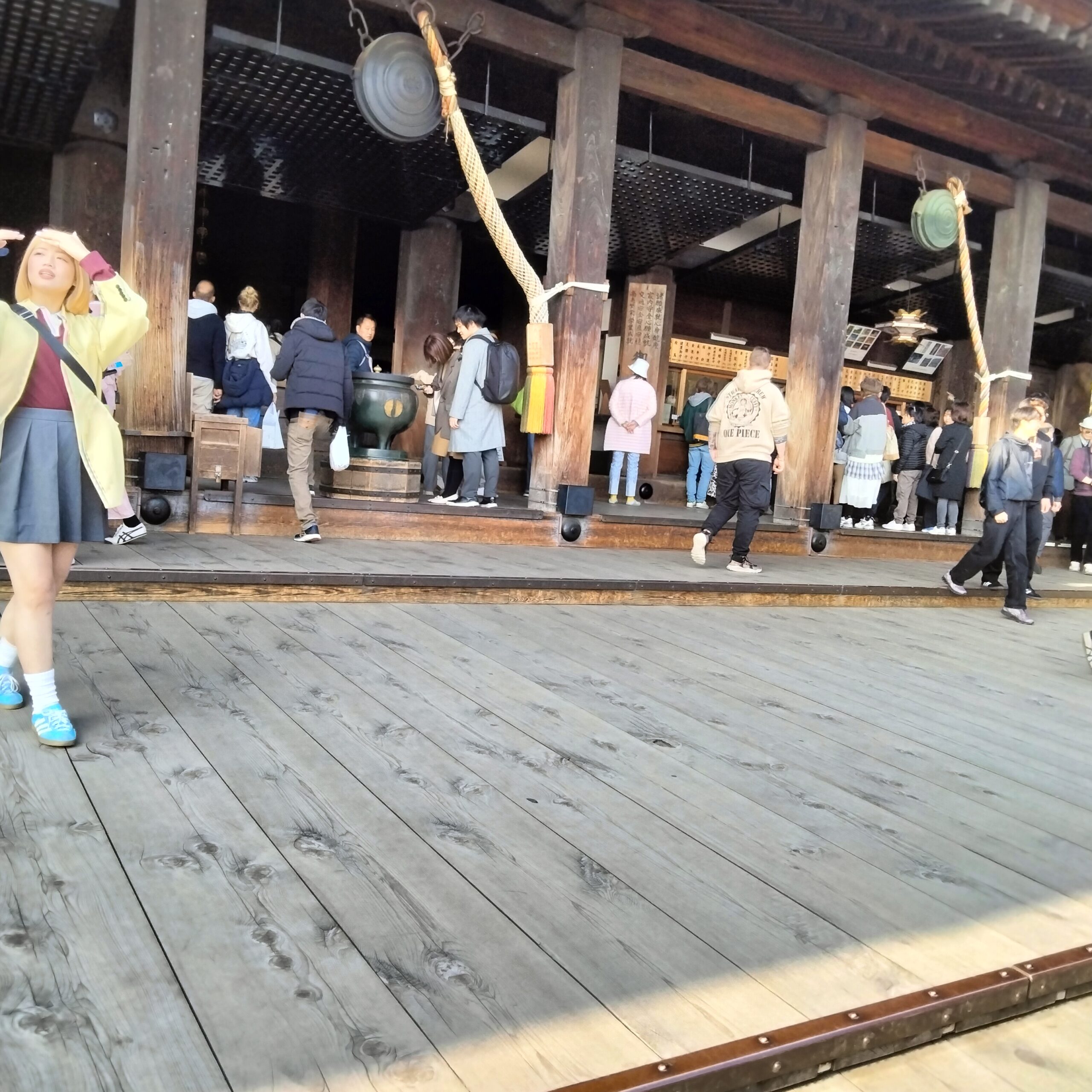
The Main Hall was rebuilt in 1633 covering an area of approximately 36meters wide by 30meters deep. The structure deploys a main hipped-roof construction with right and left transepts in the palatial shinden- zukuri style and the roof is beautifully thatched with hinoki cypress bark.
oplus_32
The stage and Veranda represent a great example of Japanese “Kake-zukuri”
these structures are supported by towering wooden pillars put together without the use of any nails. it is believed that such constructions are more secure and even earthquake-resistant. The height is 13 meters which equate to Four- story building
The origin of a famous Japanese saying ” to jump off the stage at Kiyomizu” is the Japanese equivalent of the English expression ” to take the plunge”.
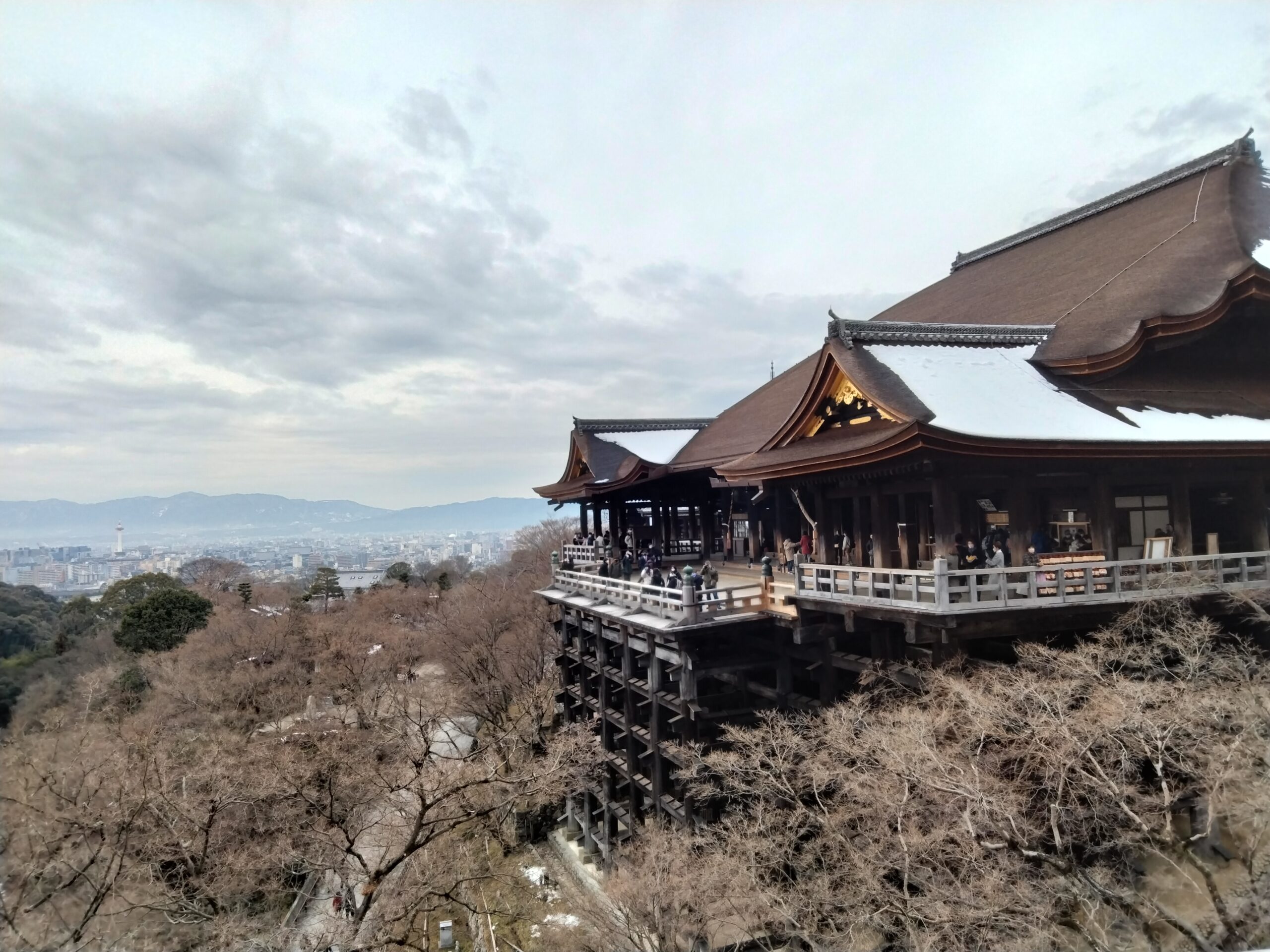
Overlooking Kyoto city from the Kiyomizu-dera Stage
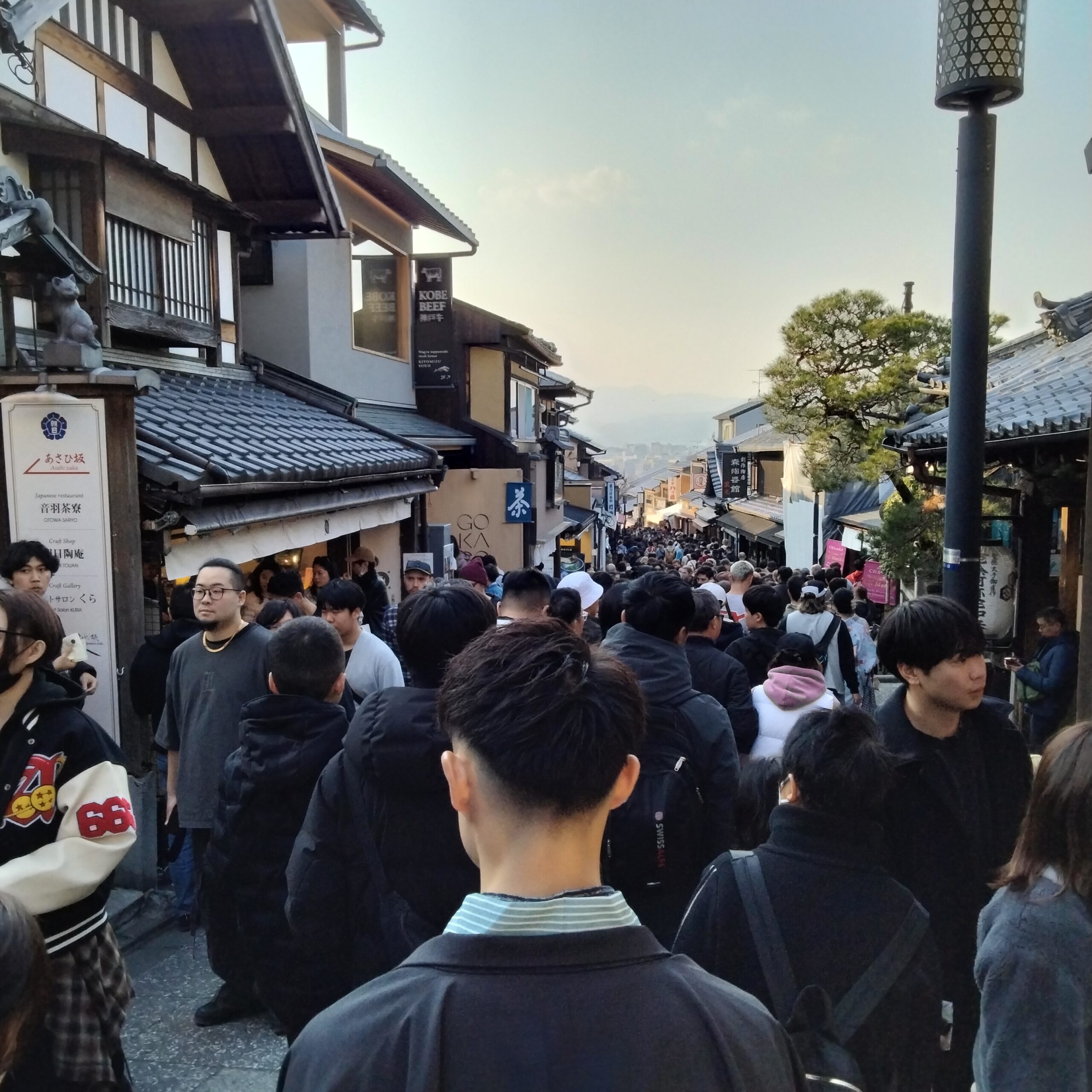
oplus_34